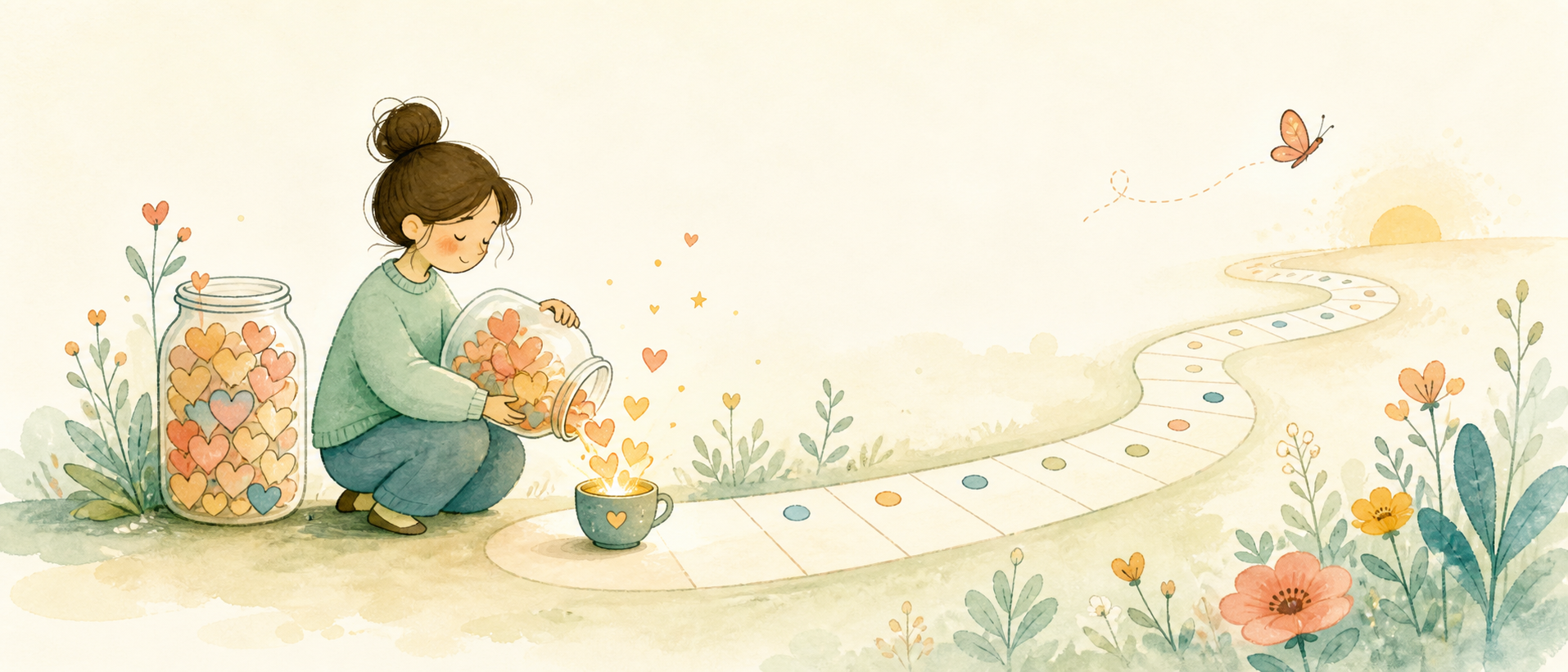
The danger of being a people pleaser is not that you are too kind. Kindness is not the problem. The problem is chronic self-abandonment that gets mistaken for kindness.
People pleasing can make you look reliable, flexible, generous, and easy to get along with. It can also leave you resentful, exhausted, anxious, and unsure what you actually want.
That is why the question is not "Is being nice bad?" It is:
What is it costing you to keep everyone else comfortable?
If this pattern is costing more than you realized, start with clarity.
Take the free, confidential self-assessment to understand the wider pattern.
Is Being a People Pleaser Bad?
Being thoughtful is not bad. Helping people is not bad. Caring about how your choices affect others is not bad.
Chronic people pleasing becomes harmful when your needs, limits, honesty, and self-respect keep getting pushed aside to manage other people's reactions.
The cost usually builds quietly. One dishonest yes does not change everything. Hundreds of them do.
Why People Pleasing Can Look Harmless
People pleasing often gets rewarded.
People may call you:
- Helpful.
- Easygoing.
- Reliable.
- Mature.
- Low drama.
- Selfless.
Those words can feel good. They may also hide the real question: Do people know you, or do they know what you do for them?
The short-term payoff of people pleasing is peace. Someone asks, you agree, tension drops. They are happy. You feel safe.
The long-term cost is that your own inner signals get quieter.
That is why people pleasing can be hard to name. Nobody may be upset with you. In fact, people may be pleased with you. The warning sign is not always outside conflict. Sometimes the warning sign is the private feeling that you are performing ease instead of living honestly.
Danger 1: Resentment Builds Quietly
Resentment is one of the clearest dangers of people pleasing.
It often forms when your yes was not fully honest.
Examples:
- You agree to help a friend move, then feel irritated all weekend.
- You take on another work task, then feel invisible when no one notices.
- You tell your partner you are fine, then feel hurt that they did not read your mind.
- You keep adjusting family plans, then feel angry that no one considers you.
Resentment does not make you a bad person. It tells you something has been ignored too many times.
The repair is not to shame the resentment. The repair is to listen earlier, before the next dishonest yes.
Danger 2: You Lose Touch With Your Own Needs
People pleasing trains you to check outside before checking inside.
What do they want? What will they think? What will make this easier? What answer will keep the peace?
After a while, your own needs may feel blurry. You may notice:
- "I do not mind" comes out automatically.
- Decisions feel hard unless someone else chooses first.
- Rest feels like something you must earn.
- Other people's needs feel urgent and yours feel optional.
- You feel guilty for wanting basic support.
This is why recovery often starts with tiny preferences. Naming what you want for dinner can be practice for naming what you need in a relationship.
Danger 3: Relationships Become Less Honest
People pleasing can make relationships feel calm on the surface and less honest underneath.
If you always adapt, the other person does not get accurate information. They may not know that you are hurt, tired, overwhelmed, unsure, or wanting something different.
That can lead to painful moments later:
- "Why did you not tell me?"
- "I thought you were okay with it."
- "You always said it was fine."
If people pleasing shows up most strongly with a partner, read people pleasing in relationships. The goal is not constant conflict. The goal is connection that includes the truth.
Danger 4: Anxiety and Reassurance Loops Get Stronger
People pleasing can feed anxiety because it teaches your body that other people's approval is the thing keeping you safe.
You may start monitoring:
- Their tone.
- Their texts.
- Their facial expression.
- Their pauses.
- Whether they seem annoyed.
- Whether your boundary changed their mood.
Then you may need reassurance:
Are you mad? Are we okay? Did I do something wrong?
That loop can become exhausting. The reassurance helps briefly, then the doubt returns. If this pattern is familiar, read reassurance in a relationship and how to deal with relationship anxiety.
Danger 5: Burnout and Emotional Exhaustion
People pleasing often leads to overcommitment.
You take the call. You answer the text. You help again. You say yes to plans. You stay late. You make the emotional labor invisible so nobody has to feel bad.
Over time, you may notice:
- Dread before plans you agreed to.
- Irritability after helping.
- Trouble resting without guilt.
- Avoiding messages because you feel trapped.
- Feeling responsible for everyone and cared for by no one.
This is not a formal diagnosis of burnout. It is the everyday exhaustion of living beyond your honest capacity.
Danger 6: Your Real Yes Starts to Mean Less
When people know you often say yes under pressure, your yes can become hard to trust, even for you.
You may wonder:
- Did I agree because I wanted to?
- Did I agree because I felt trapped?
- Will I regret this later?
This is one of the quieter costs of people pleasing. It does not only make no harder. It makes yes less clear.
A healthier yes feels different. It may still involve effort or compromise, but it does not require you to betray your limits. It feels chosen.
Danger 7: Self-Criticism Becomes the Default
People pleasing often comes with an inner critic that says:
- You should do more.
- You are selfish for needing rest.
- You made them upset.
- You are difficult.
- A better person would say yes.
The more you obey that voice, the more authority it gains.
Changing people pleasing means questioning the critic, not just changing the behavior. If "should" thoughts drive the pattern, should statements can help you notice the rule and replace it with something fairer.
It may also help to work directly with the self-critical voice that appears after you disappoint someone. People pleasing often runs on the belief that your worth depends on being useful, agreeable, or easy to manage. Mindfulmate's guide to CBT for self-esteem and self-criticism offers a broader way to notice those thoughts without treating them as facts.
Danger 8: Controlling People May Benefit From Your Silence
This needs to be said carefully: people pleasing does not mean you are responsible for being mistreated.
But if someone benefits from your silence, your over-apologizing, or your fear of saying no, they may resist your growth.
Pay attention if boundaries lead to:
- Threats.
- Intimidation.
- Punishment.
- Name-calling.
- Control.
- Isolation.
- Fear for your safety.
That is not just people pleasing. That is a safety issue, and it deserves real support.
If you are in immediate danger or feel unable to stay safe, contact emergency services or a local crisis resource. Mindfulmate can support reflection and everyday stress, but it is not emergency care and cannot replace help from qualified professionals or trusted people in your life.
If you are unsure, tell one safe person what has been happening before you test a bigger boundary.
Kindness With Self-Respect
The healthier alternative is not selfishness. It is kindness with self-respect.
That looks like:
- An honest yes.
- A respectful no.
- Clear preferences.
- Repair when you cause harm.
- No apology when you simply have a need.
- Letting others have feelings without making yourself responsible for all of them.
You can care without disappearing. You can help without overcommitting. You can be loving without making yourself easier to manage.
A simple test: if your yes requires you to ignore your body, hide resentment, or hope someone notices your unspoken needs, pause. That may not be kindness. It may be the old approval loop asking for another turn.
What to Do Next
If this article made people pleasing feel more expensive than you realized, do not jump straight into the hardest conversation.
Start with one step:
- Read how to stop people pleasing for the practical framework.
- Use the scripts in recovering people pleaser before your next no.
- Take the people pleaser test to identify where the pattern is strongest.
- Practice distress tolerance skills if guilt makes you want to undo a healthy boundary right away.
- Use Mindfulmate to talk through one situation privately.
Want a calm place to sort through the guilt before you act?
Start a conversation in the chat app you already use. Mindfulmate is confidential, judgment-free, and available 24/7.
Mindfulmate provides emotional support and guidance for everyday stress and anxiety. It is not a substitute for professional mental health treatment. If you are in crisis or need urgent support, please contact a qualified mental health professional or emergency services.